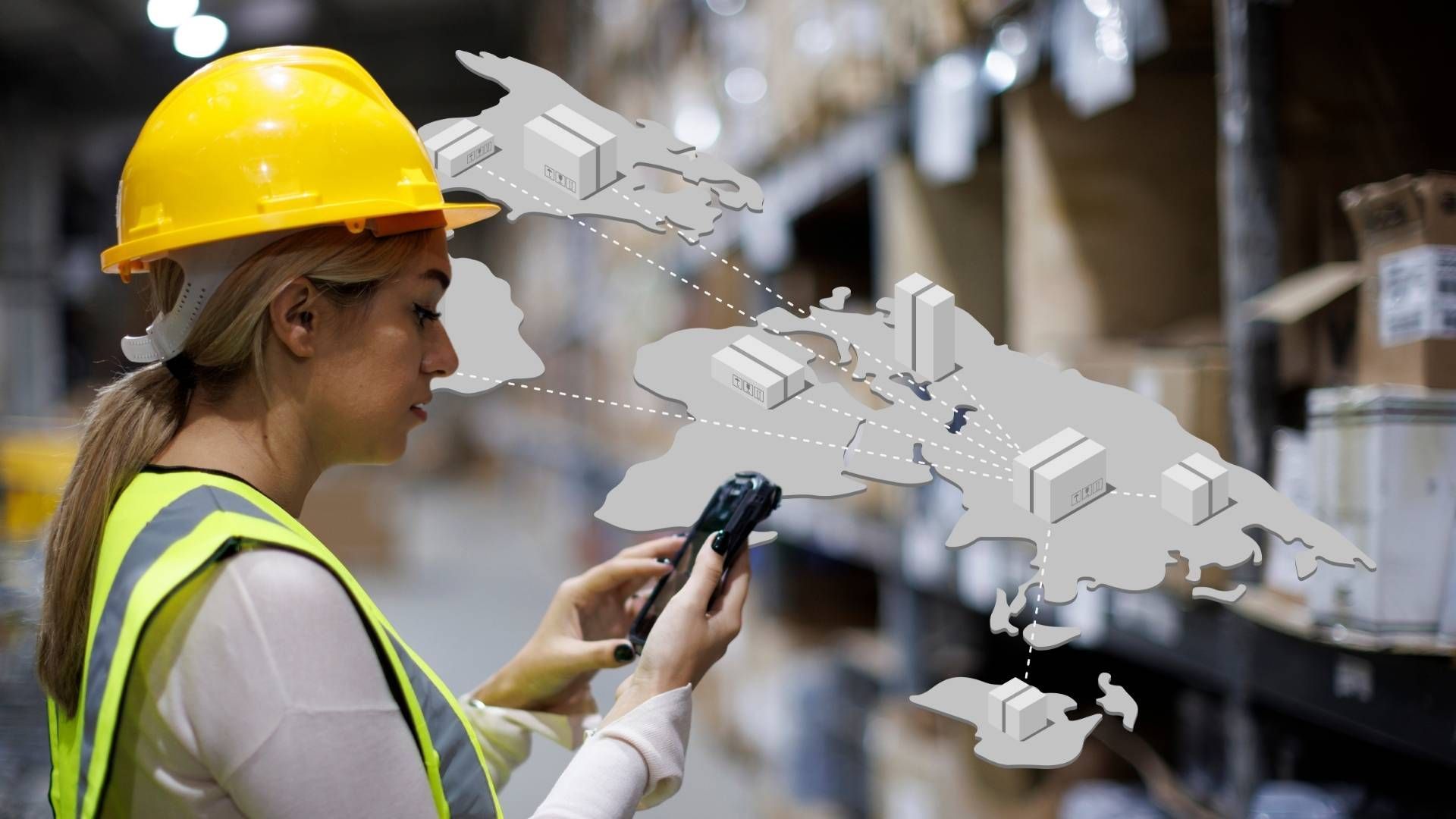
How We Ensure Quality in Sensize Trackers

When you attach a tracker to an asset and send it into the supply chain, you likely won’t have physical access to it for an extended period. You need to trust that it will keep working because, if it stops, there’s no way to retrieve and fix it. In other words, you need a high-quality tracker.


What Defines Quality in a Tracker?


A quality product is one that is fit for its intended purpose. For a tracker designed for use in the supply chain, this means it must operate reliably in any location without disrupting operations.


Seamless Supply Chain Functionality


Supply chain operations often span multiple countries. For instance, the North American produce supply chain connects Mexico, Costa Rica, the U.S., and Canada. Similarly, European growers operate within the EU, the UK, and frequently Turkey. Trackers must function seamlessly across these borders without requiring reconfiguration. Customers cannot predict which tracker will be sent to which country, so the only practical solution is to use a universal tracker that works everywhere.


Technologies like Sigfox, LoRa, LTE-M, and NB-IoT struggle in this regard because international roaming is not guaranteed. For example, O2, the operator of the UK’s sole LTE-M network, recently blocked international roaming, causing thousands of devices to go offline. Similarly, Vodafone Italy restricted international roaming on its LTE-M network, leaving many devices non-operational.
Data Logging


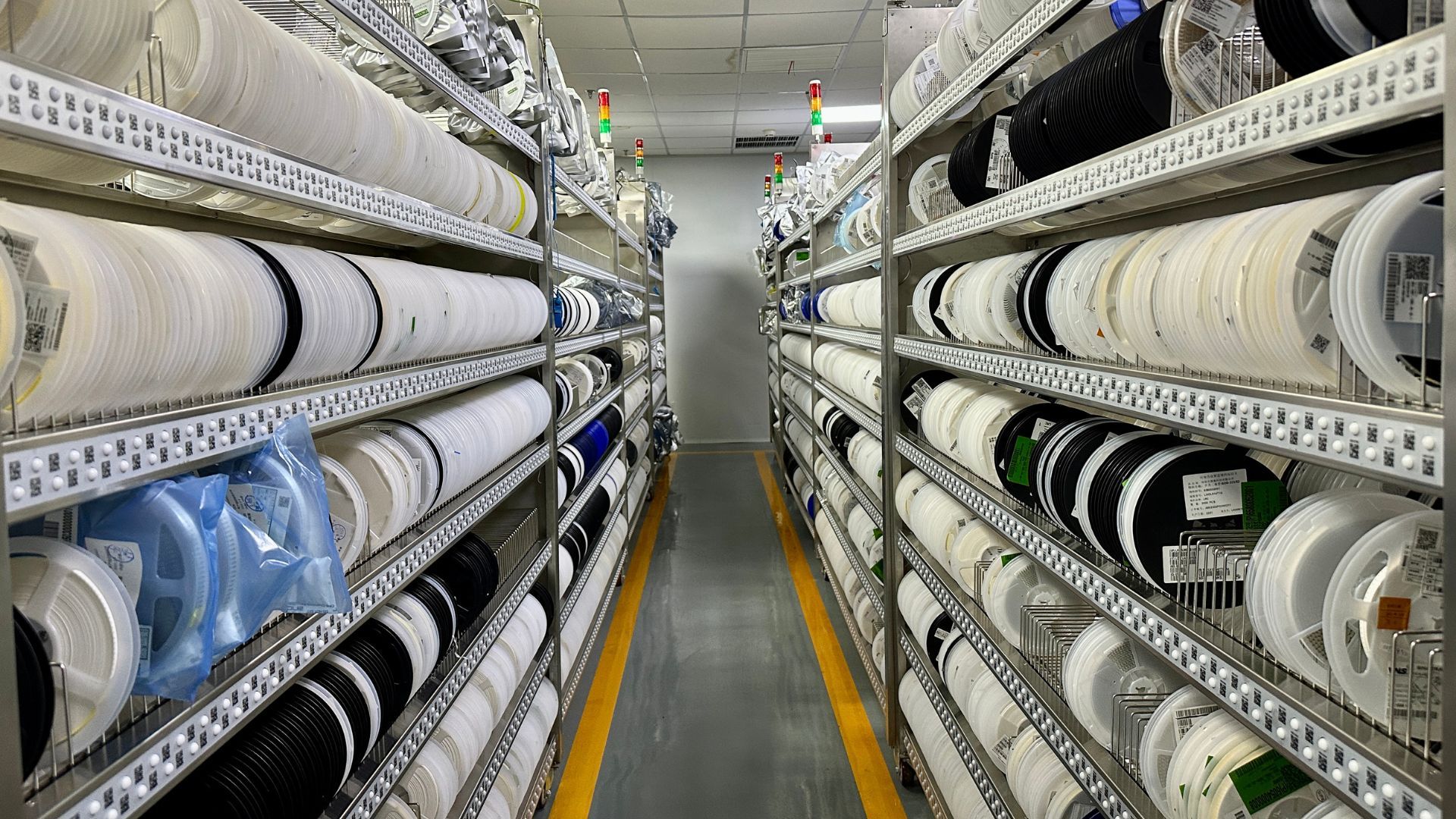
Even with good roaming capabilities, there will always be environments in which trackers cannot establish a connection – such as on a ship at sea or deep within a freezer. This is why data logging is essential for a high-quality product.

Trackers should record and store data during connectivity outages and upload it when the network becomes available. However, many trackers lack this feature, particularly those relying on low-bandwidth networks like Sigfox and LoRa, which cannot handle the transmission of significant historical data. This results in incomplete data records – akin to "Swiss cheese" with holes representing lost information. Such gaps lead to a poor-quality user experience and challenges to the supply chain if it is reliant on data.


Non-Disruptive Operations


Tracking should enhance supply chain operations without interfering with standard processes. A tracking system that requires extensive operational changes becomes an impractical burden – essentially letting the tail wag the dog.


Infrastructure Requirements


One example of disruption caused by low-quality trackers is when trackers depend on special infrastructure. While users might install access points or scanners at their own facilities (similar to RFID readers), it is unrealistic to expect them to deploy specialist, expensive infrastructure at every grower, distribution centre, and store. Beyond the challenge of securing stakeholder agreement, the cost of deployment and maintenance is often prohibitively high.


Battery Life Challenges


Battery life is another operational challenge for all types of trackers. Some require recharging either by customers or via a reverse logistics process, but neither is practical at scale. Managing battery charging for a fleet of two million assets is unfeasible. Moreover, identifying which batteries need charging is another logistical nightmare. Trackers with dead batteries often end up discarded, creating unnecessary waste. "Landfill technology" is not a hallmark of high-quality design.


Our tracking devices are designed for durability, with batteries that last a minimum of seven years. This ensures reliable, uninterrupted operation, so you never have to worry about losing connectivity due to power issues.

We understand that battery performance can be impacted by external factors, particularly in cold temperatures. That’s why we take extra care to ensure our devices remain dependable, even in demanding environments like cold storage.
Mechanical Robustness


Waterproofing

In supply chains handling products like meat or eggs, it's essential that products can be washed and cleaned without removing them from crates or pallets.


To ensure this, our trackers undergo rigorous testing, including exposure to high-pressure water jets. This guarantees they remain fully operational and resistant to water ingress, even in demanding conditions.


Impact Resistance

With supply chains as busy as they are, accidents can happen, whether it’s a dropped asset or a transport vehicle involved in a collision. That’s why it’s essential to have trackers that can withstand such incidents without breaking.


Our devices are thoroughly tested to handle both expected and unexpected impacts, ensuring they remain durable and reliable in warehouses and during transportation.


Pressure Resistance – can you drive a truck over it?

Logistics operations, whether they operate locally, nationally or globally, will have countless moving parts. Your teams shouldn’t be expected to treat assets with kid gloves. We build our devices not just to withstand impacts, but also significant pressure of up to four tons.


From using a hydraulic press to driving over one of our devices in a forklift truck, it is so important that we make sure the tracking devices you’re going to be using can withstand significant pressure.


Sensize believes in helping you build the perfect asset tracking system, and that means making sure each part is operating optimally. That starts by having high-quality builds for your parts.


Our trusted supplier network ensures your logistics operations run smoothly, minimizing unnecessary disruptions. And we don’t stop there. We continually innovate and embrace cutting-edge technology to help you achieve a more efficient and future-ready supply chain.


Temperature Resistance

There are a range of industries that require products to remain in cold storage for long periods of time and, in these environments, battery life can be impacted significantly. We make sure our devices are built to withstand the coldest of environments.
But it isn’t just cold temperatures that can have an impact; many supply chains need to factor in warm weather. As temperatures across supply chains can vary greatly, it’s important to have trackers that don’t lose any capabilities in the harshest of conditions.


Sensize trackers offer long battery life, robust construction, and resilience against environmental challenges. They are designed to perform reliably across diverse supply chains and industries, ensuring seamless data collection and tracking.


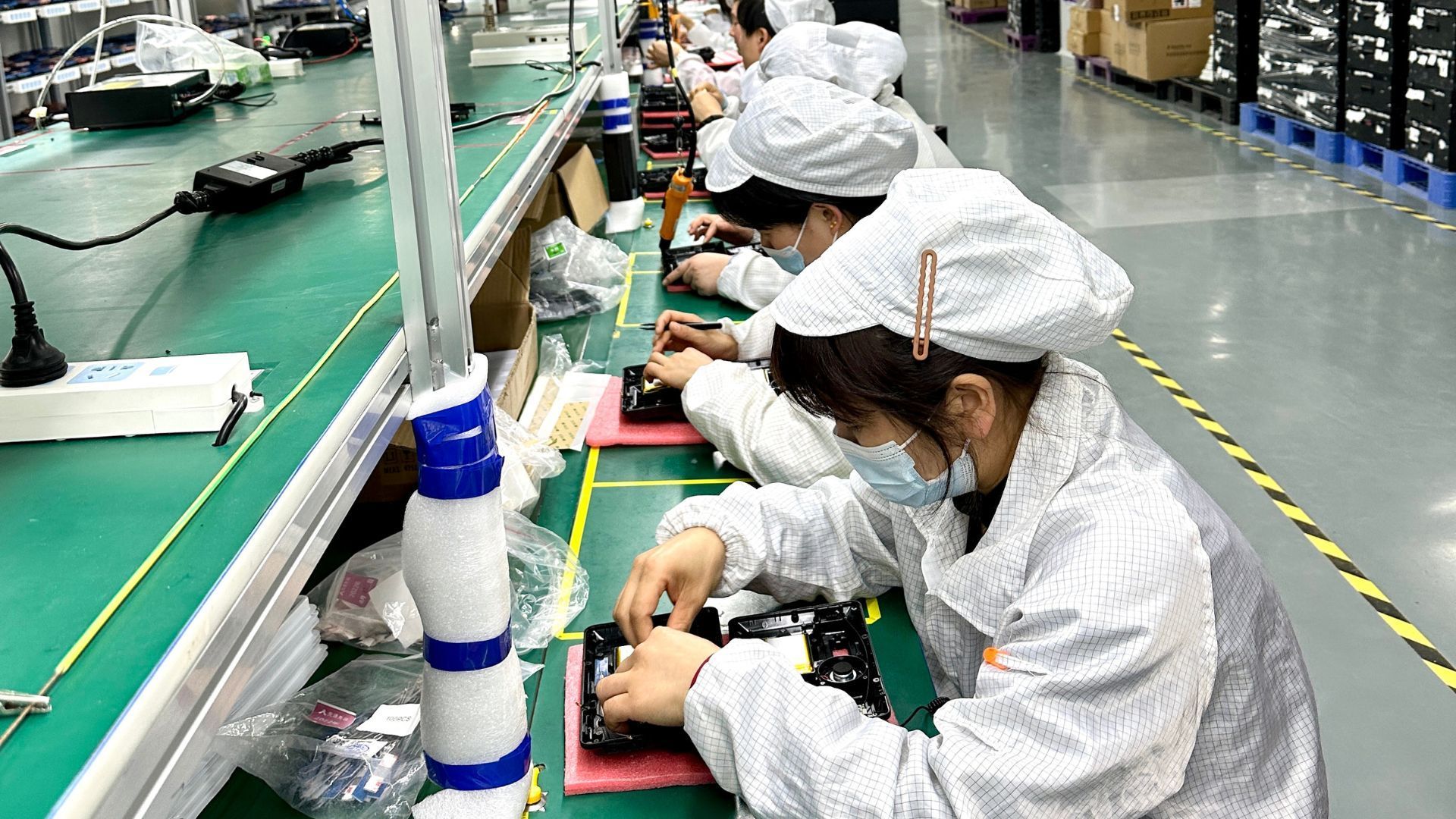
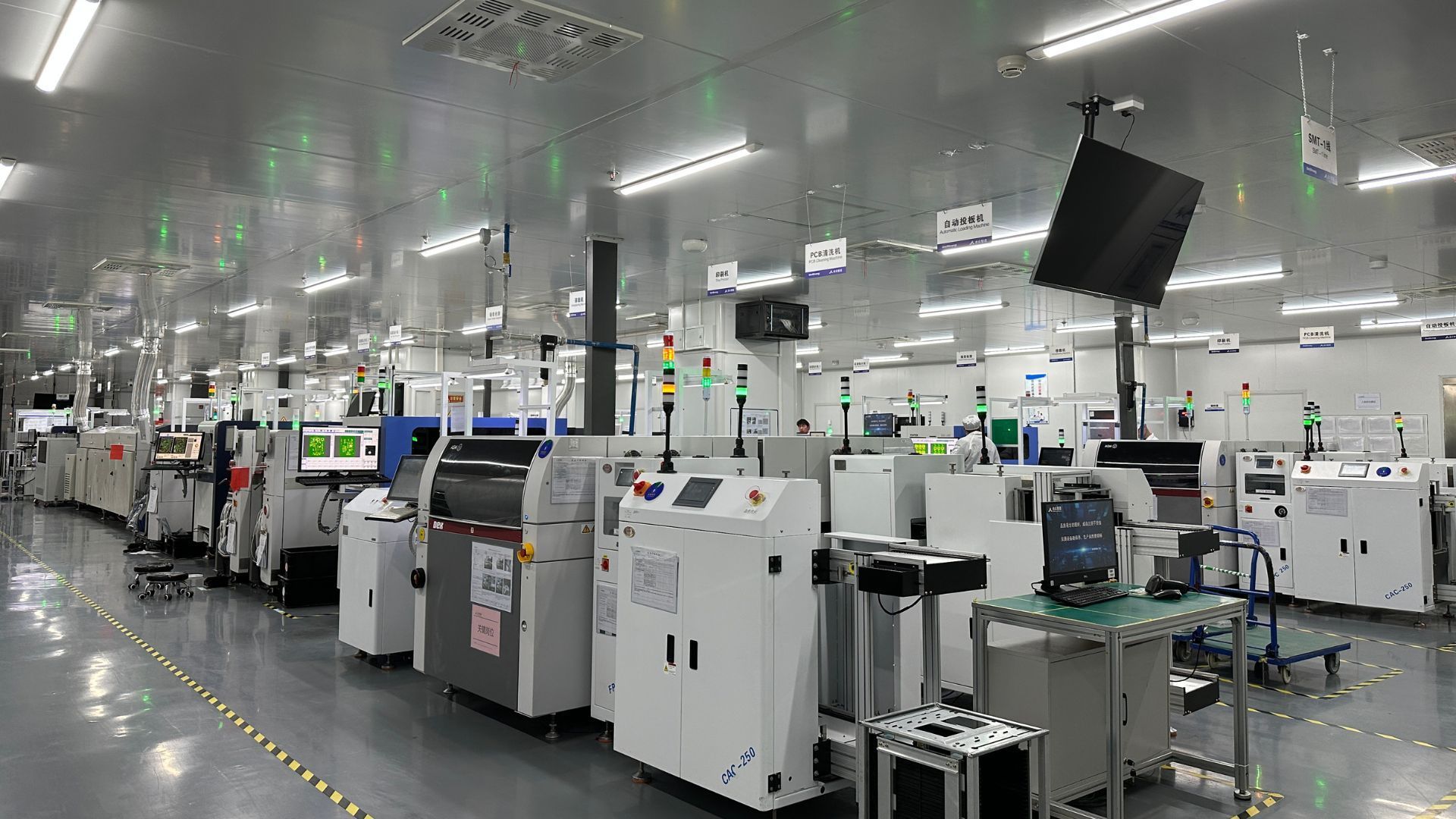
To deliver this level of reliability, Sensize collaborates with top-tier suppliers. These partnerships ensure access to the highest-quality tracking technology. Suppliers are carefully selected and regularly audited to uphold rigorous quality standards, so your logistics operations benefit from dependable, state-of-the-art asset tracking solutions.

Share this post by clicking below...

December 10, 2025
Sputnik 1 caused a sensation when it was launched by the Soviet Union in 1957. Coming only two years after Moscow’s first thermonuclear test, the first man-made satellite seemed to confirm that the West was falling behind in the Cold War. American physicists were told to learn as much as possible. By studying its steady radio transmissions, they confirmed that Sputnik was in a stable orbit that circled Earth every 12 hours. They could calculate exactly when it would rise over the horizon at any location. With the maths reversed, they realised that the same method could be used to locate the observer. Navigation using celestial bodies was nothing new. Sailors had been doing it for centuries. But a system that used artificial satellites offered something faster and far more precise. The obstacle was cost. One satellite was useless. You needed at least four in view at once. That meant a constellation of 25 or more at a time when only one existed. So the question was simple... what purpose could justify the expense? The strategic rationale The answer came from the logic of mutually-assured destruction. Nuclear deterrence relied on the ability to launch a counterattack after a first strike. Missiles based on land or in airfields were vulnerable. If they could be eliminated in a surprise strike, deterrence collapsed. Submarine-launched missiles were the answer. Submarines could hide underwater, survive an attack and strike back. But there was a problem. Missiles fired from a moving submarine were extremely inaccurate. To plot a missile path, you need to know the precise launch point. On land that was easy. At sea it was a major challenge, but Sputnik offered a way out. This was the real reason GPS was created: to make submarine-launched missiles accurate enough to reduce the risk of nuclear war.
November 12, 2025
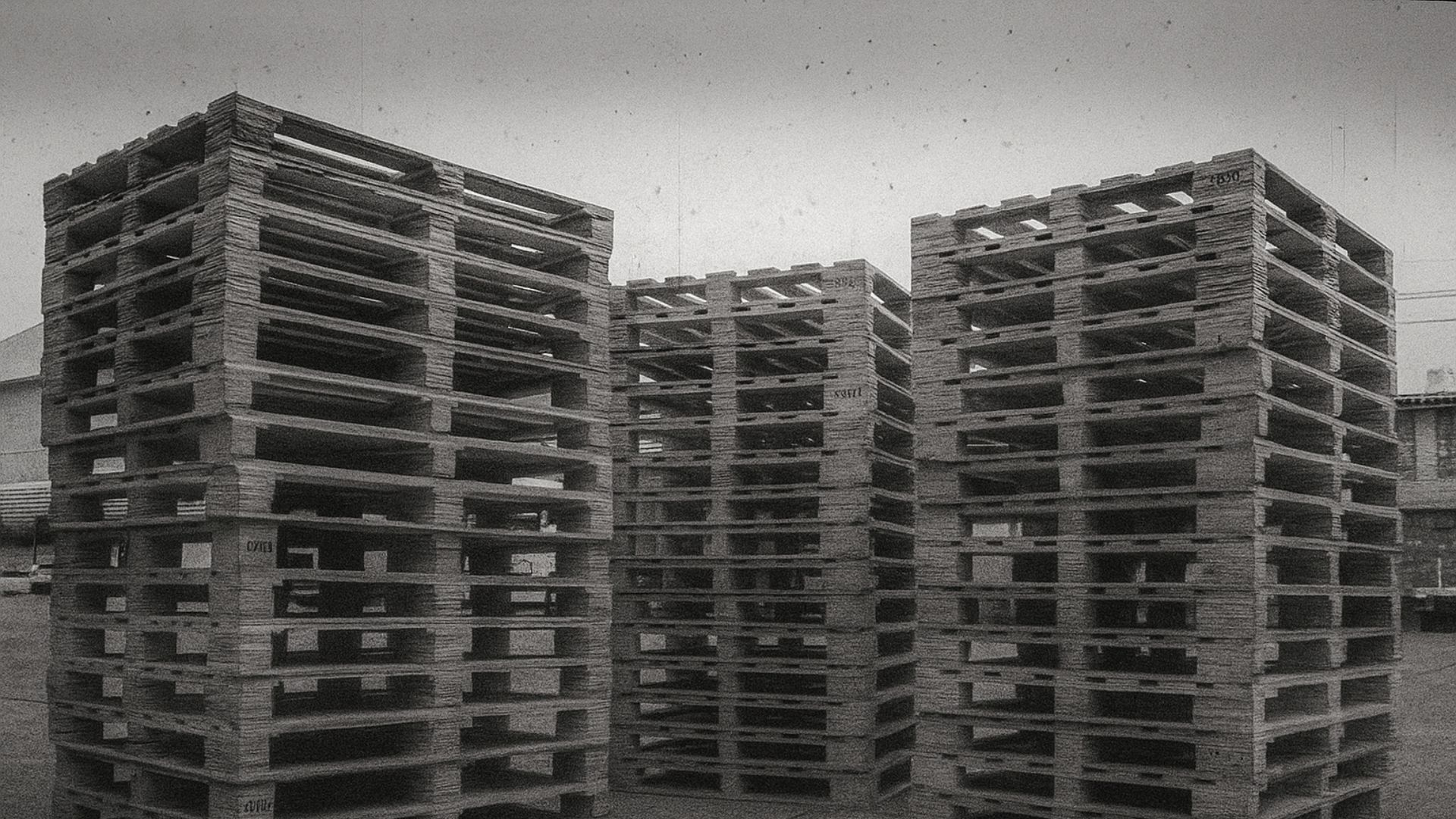
At the end of the Second World War, American military planners left millions of standardized pallets in Australia. They were bought for a steal by a little-known firm called Brambles. The company set about renting them to manufacturers, growers and retailers who, until then, relied on flimsy one-way pallets. Customers appreciated the higher quality and the convenience of Brambles collecting empties. Reuse proved cheaper than disposal, enabling Brambles to offer a better product at lower cost while turning a tidy profit. The model flourished. Brambles became a giant, running a pool of hundreds of millions of pallets. Many other pooling companies were founded in their wake. Today, billions of reusable containers, from grocery crates to roll cages to boxes for car engines, circle the globe. Prospects for further growth are strong: the fleet of reusable containers remains far smaller than the 100s of billions of cardboard boxes used annually. Environmental goals and regulations such as the EU’s Packaging and Packaging Waste Regulation (PPWR) provide further tailwinds. Yet reality often falls short. Reuse is cheaper only if containers are recovered quickly and redeployed many times. A lost container is a costly one. In open supply chains, losses and delays are routine. Why containers go astray Modern supply chains, whether retail, automotive or electronics, span sites owned by several firms, each with their own IT systems. These systems can track operations locally but are blind to what happens upstream or downstream. Once a container leaves one site, visibility can be lost. This is not only a problem for container management. Firms hunger for information on the whereabouts and condition of goods in transit. Separate company data silos make it very difficult to obtain. Too often, reusable containers are treated as an unwelcome compliance cost, the price of ESG pledges and regulatory diktats. What if, instead, they became a source of profit and competitive advantage? Containers as a digital platform Factories, farms, warehouses and stores may be run by different firms, but they share one thing: a common pool of reusable containers. Crates and pallets circulate through every corner of the supply chain. Once fitted with sensors, they cease to be passive carriers and become roving data collectors, capturing information across organizational boundaries. In doing so, they could dissolve silos and form the backbone of a new layer of digital infrastructure. The promise is clear: a supply chain made visible, predictable and efficient. To achieve it, trackers must meet daunting requirements: cheap enough to ride on low-value containers, smart enough to work everywhere without bespoke infrastructure, and durable enough to last the five to ten years of a container’s life. Meeting those demands would turn an old logistics workhorse into the foundation of tomorrow’s digital supply chain. The Sensize Tracking System Sensize has designed its tracking system around these constraints. It relies on two innovations: Parent/Child networking Cellular connectivity is ubiquitous and requires no fixed infrastructure. But cellular trackers are too costly to fit to every low-value container. Bluetooth trackers are far cheaper, but their short range (around 50 m) limits them to individual sites. Sensize combines the two. Most containers are fitted with low-cost Bluetooth Child sensors. A small fraction carries cellular Parent sensors. These parents collect data from nearby children and upload it via the mobile network. Because the parents travel with the fleet, coverage extends across the supply chain without the need for fixed infrastructure. Collaborative networking Supply chain sites hold many container types, such as crates, pallets and roll cages, often from multiple suppliers. If firms are using Sensize’s system, they can share the load –a parent tracker on a crate can collect data from a child tracker on a pallet, and vice versa. Data is uploaded, decrypted and delivered to the relevant supplier. Costs are effectively pooled, producing broader coverage than any one organization could manage alone. When assets become insights What began in the 1940s as a practical way to reuse military surplus has become one of the most important building blocks of modern logistics. Brambles worked out how to turn leftover wood into profit, while saving customers money. Digitized containers repeat the trick, although now the profit comes from data rather than wood. In an era of regulatory pressure and fragile supply chains, firms that grasp the opportunity and transform their boxes and pallets into roving sensors will not only cut losses but also gain visibility into flows of goods that competitors still struggle to find. What was once seen as a compliance burden may yet become the backbone of a profitable digital platform economy.
October 29, 2025
As we mark the end of summer and head into the colder months, it’s been a busy quarter here at Sensize. From reaching company milestones to globetrotting at industry events in the US, Germany and Spain, the Sensize team has been learning more about the spaces in which we operate and enabling us to provide a better asset tracking service than ever before. Find out all about it in our latest Quarterly Insights.
July 16, 2025
In this newsletter, we’re sharing our latest Sensize content and key company updates – plus, we have something exciting on the horizon!
May 6, 2025
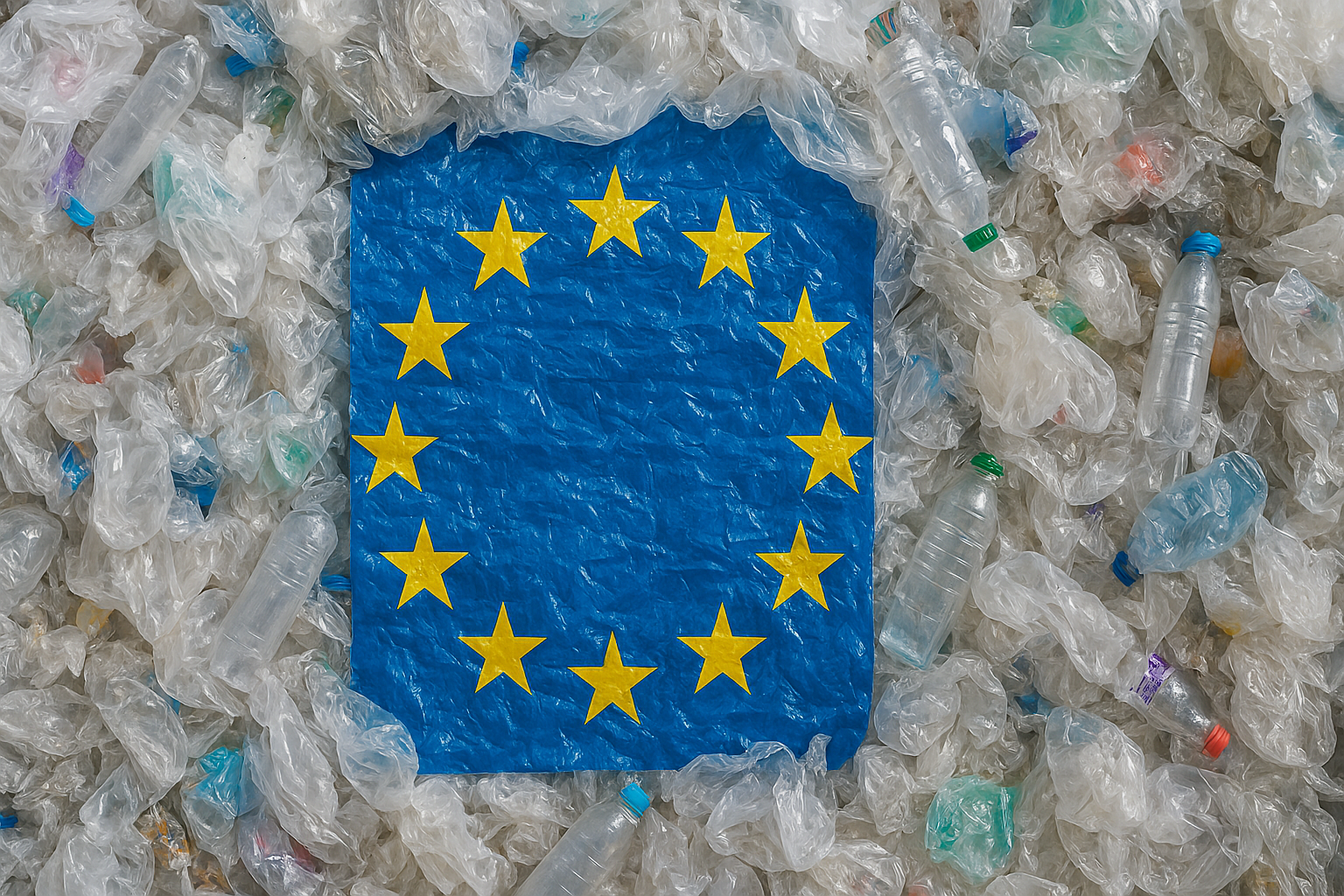
As the EU introduces new legislation to extend producer responsibility and slash packaging waste, we break down what this means for businesses.
April 30, 2025
It’s been a busy Q1 at Sensize and there have been some huge shakeups in the international supply chain market. So let’s take a look into the biggest news of the last three months and what has changed for asset tracking, sustainability and supply chain management. The impact of tariffs going forward Talk of an international trade war came to a fever pitch earlier this month when President Trump announced significant tariffs on countries all over the world. With the USA home to 30% of the world’s consumer spending, increasing the cost of imports had an immediate impact and, even though many tariffs have been temporarily paused, 25% tariffs remain on steel and aluminium and many imports from China will face tariffs as well. Tariffs showcase just how important having a thorough understanding of your supply chain can be. Asset tracking technology gives you more oversight into your supply chain allowing for easy adaptation should problems arise.
By Paul Lane March 27, 2025
Over the past decade, the automotive industry has been looking for improved end-to-end transparency across the supply chain. Take BMW AG for instance. In 2025, their Chairman of the Board of Management, Oliver Zipse, s aid in a statement: “We have learned in recent years how vulnerable and susceptible to disruption they can be. Take a guess: How many parts do you think our plants worldwide need to be supplied with every day? The answer is: 36 million. The right quantities have to be in the right place, at the right time, in the best quality.” These 36 million parts are placed in boxes which travel around the world, often getting lost, misused or insufficiently managed along the way. Plus, for this number of parts, there is a need for thousands or, sometimes, millions of containers. As the demand to take parts monitoring even more seriously increases, a comprehensive solution is required by businesses across all sectors. The market has become increasingly aware of the importance of identifying blind spots and understanding inefficiencies, with businesses using this knowledge to optimize their supply chains and improve their results. Whether it’s for suppliers monitoring their products or manufacturers tracking inbound equipment, comprehensive, near real-time visibility across their operations is invaluable in getting to the bottom of these issues and finding a solution. Industry data found that 45% of automotive manufacturers expressed concerns about the lack of transparency in inbound supply chains. Active GPS tracking of the reusable packaging used within the industry allows automotive businesses to receive quick and precise data on the location, condition and status of automotive equipment and parts, allowing for loss reduction, improved inventory management and complete regulatory compliance. Keep reading for a detailed look at the benefits of asset tracking for automotive assets.
February 20, 2025
If you’re interested in implementing asset tracking in your supply chain, GPS tracking could be the solution. Here’s how it works.
January 20, 2025
We're excited to announce the launch of our quarterly newsletter – an opportunity to explore the world of asset tracking, sustainability, and supply chain management together.
December 23, 2024
If you’re considering asset tracking across your logistics operations, RFID Tracking is a great first step but how does it work.
Show More